


Weathering the Roads: Winter Driving Tips for Colorado Drivers
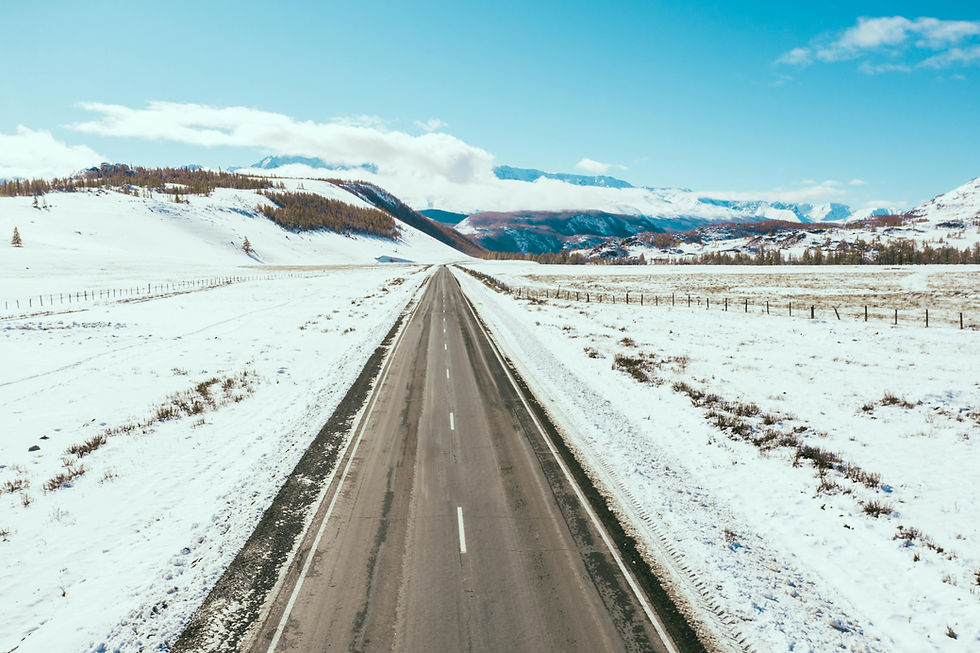
Winter in Colorado can bring both breathtaking beauty and unpredictable road conditions. At Fitness to Drive, we understand that safe, confident driving starts long before you turn the key. Whether you’re an experienced driver adjusting to seasonal challenges or a newer driver building confidence, preparation is the key to independence and safety.
Here are our top tips for staying steady and secure on Colorado’s winter roads.
1. Plan Ahead—Before You Go
Before heading out, check current weather forecasts and road conditions. The Colorado Department of Transportation (CDOT) offers real-time highway maps, traffic cameras, and closure alerts through COtrip.org. Reviewing conditions in advance helps you decide whether to delay, reroute, or use an alternate transportation option.
Watch for changing weather patterns that can quickly turn wet roads into black ice.
If you’re unsure about conditions, consider rescheduling or asking a family member for assistance.
Build a travel checklist that includes checking the weather app and COtrip before every drive.
Predictability reduces stress—knowing what to expect helps you stay calm and focused behind the wheel.
2. Prepare Your Vehicle and Pack Smart
Cold temperatures can strain your vehicle, so take time to prepare it before the first snow falls.
Inspect tires for tread and pressure; consider snow tires or all-weather tires.
Test your battery, lights, and brakes.
Keep your gas tank at least half full to prevent fuel line freeze-up.
Keep a winter safety kit in your car, including:
Blanket or warm clothing
Ice scraper and snow brush
Flashlight and extra batteries
Phone charger and backup battery
Bottled water and snacks
First aid kit
Reflective triangles or flares
Small shovel, sand, or kitty litter for traction
3. Adjust Your Driving Habits
Colorado’s winter roads demand patience and awareness.
Slow down and increase following distance.
Avoid sudden stops or sharp turns.
Use headlights—even in daylight—to increase visibility.
Whenever possible, drive during daylight hours when visibility and temperatures are better.
Allow extra travel time so you never feel rushed.
4. Know When to Stay Home—or Choose Another Option
Sometimes, the safest decision is not to drive.
For all drivers:
Pay attention to road closures and weather alerts from CDOT and local news.
If conditions are unsafe, consider ride share services, public transit, or help from friends or family.
Having a “bad weather plan” reduces anxiety. Know ahead of time whom to contact if you can’t safely drive.
5. Build Confidence Through Practice and Support
Confidence grows with experience and preparation.
Find a safe, open area like an empty parking lot to practice winter maneuvers.
Review how to recover from a skid, how anti-lock brakes feel, and how to manage low-traction turns.
At Fitness to Drive, our occupational therapists help drivers of all abilities stay safe and independent—through evaluation, behind-the-wheel training, and support for adaptive equipment or safe driving alternatives.
Stay Safe, Stay Confident, Stay Independent
Colorado’s winter roads can be unpredictable, but with the right preparation, you can navigate them safely.Take time to plan ahead, prepare your vehicle, and know when to pause. Safe driving isn’t just about reaching your destination—it’s about protecting your confidence and independence along the way.
Learn more about our driver safety programs at www.fitnesstodrive.org.


Comments